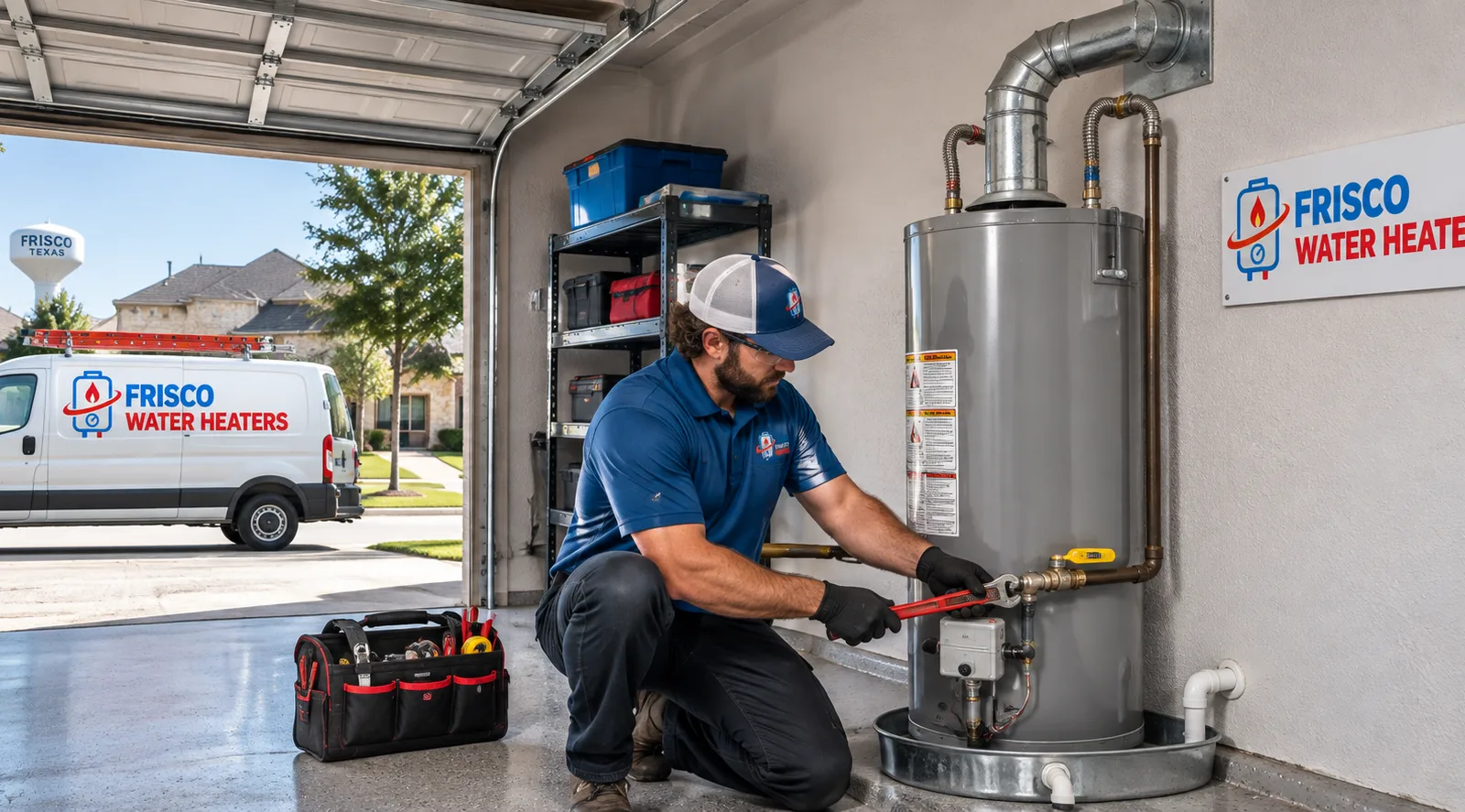
A puddle does not always mean the tank has failed. Water may come from a supply connector, valve, drain valve, relief discharge, or nearby plumbing. If water is escaping through corrosion in the tank body, however, the tank is not repairable and should be replaced.
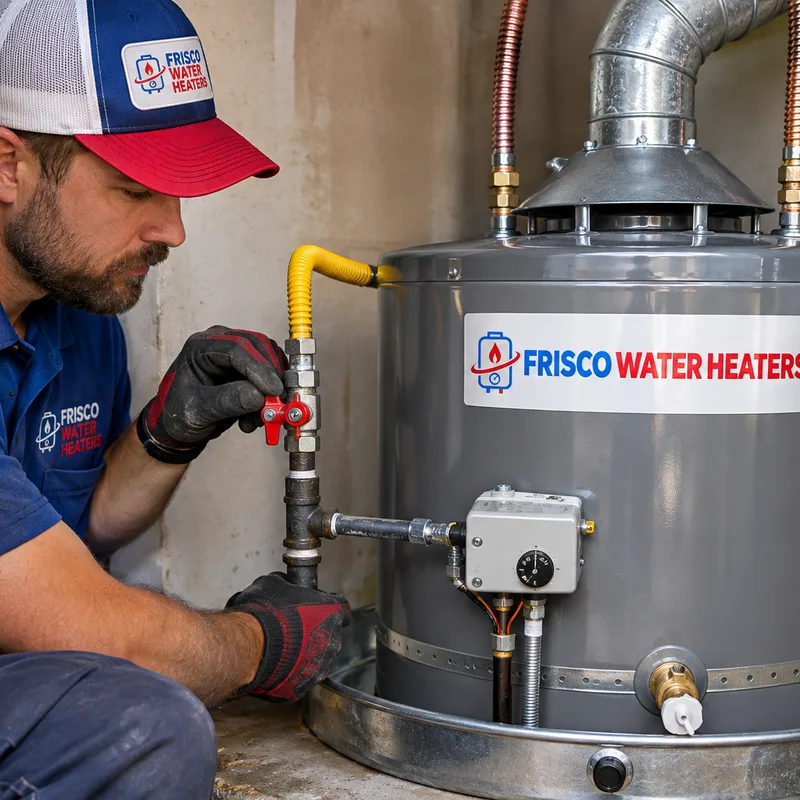
Repair is often reasonable when the vessel is sound and testing identifies a serviceable component. On gas units, that may be an ignition component, thermocouple or flame-sensing part, burner assembly, or gas control. On electric units, technicians test the upper and lower elements, thermostats, high-limit switch, wiring, and power supply. Replacing parts without electrical testing can leave the actual fault unresolved.
Safety symptoms change the priority. If gas is suspected, avoid flames, switches, and anything that could create a spark. Leave the immediate area and follow the gas utility's emergency instructions. Soot, scorching, melted fittings, repeated high-limit trips, or combustion products entering the living space also warrant prompt professional evaluation.
For routine performance issues, note whether the problem is no hot water, limited hot water, slow recovery, fluctuating temperature, noise, discolored water, or visible leakage. Those details help narrow the diagnosis for a hot water heater in Frisco, TX.